
The Art Scene of Cornwall: Exploring the Works of Kristin Vestgard and Beyond
Cornwall, with its rugged coastlines, dramatic skies, and tranquil beaches, has long been a muse for artists. The region, particularly areas like Penzance and St

Sardinia, the second-largest island in the Mediterranean, is not only known for its stunning landscapes and rich history but also for its vibrant and evolving art scene. The island’s artistic culture is a captivating blend of ancient traditions and contemporary expressions, drawing from its unique heritage and the influences of various cultures over centuries. The art scene in Sardinia is diverse, encompassing everything from ancient crafts to modern galleries, public art, and experimental spaces.
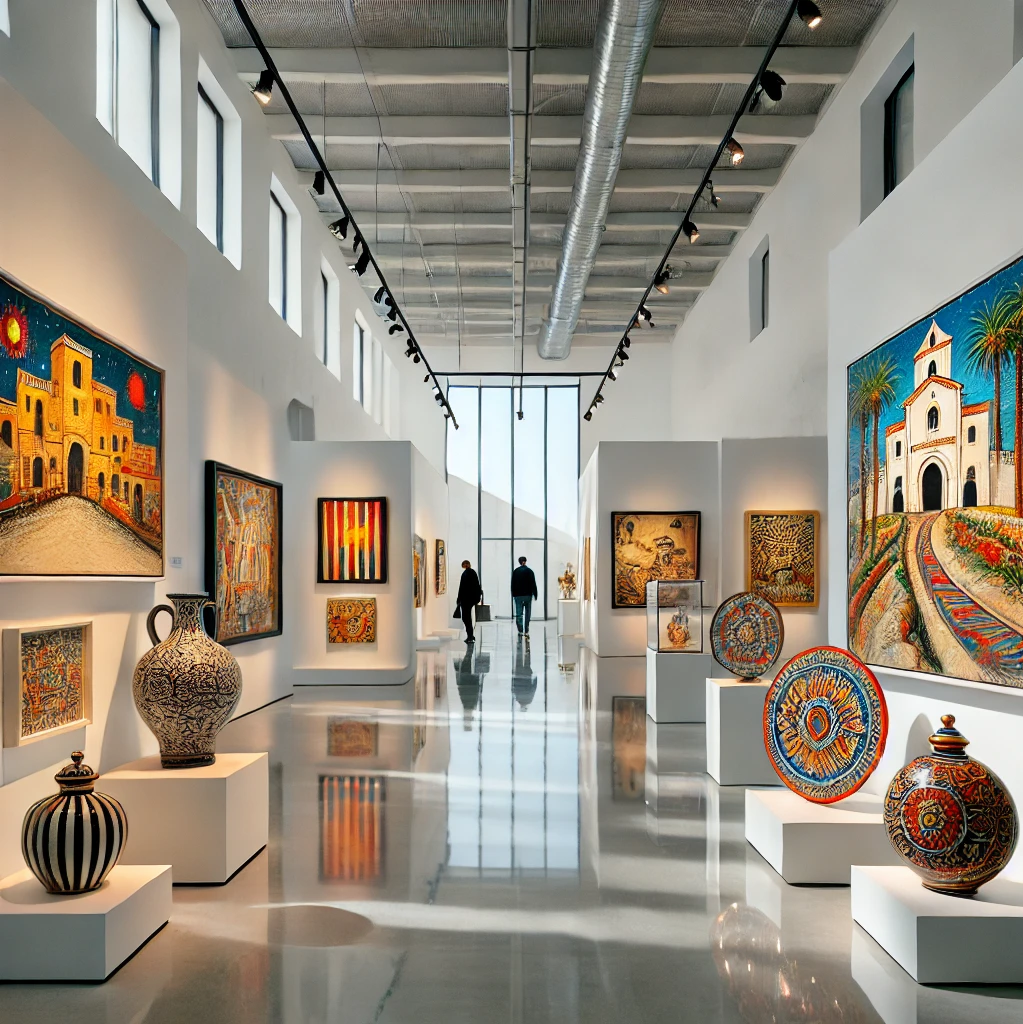
Sardinia has a deep-rooted connection to its traditions, which is evident in the island’s art. The intricate patterns and motifs seen in Sardinian textiles, jewelry, and ceramics reflect centuries-old techniques passed down through generations. These crafts are not merely functional but are considered an essential part of the island’s cultural identity.
One of the most famous examples of traditional Sardinian art is the filigree jewelry, a delicate and intricate craft that has been practiced on the island for centuries. This technique involves twisting and soldering fine threads of gold or silver to create detailed designs, often inspired by nature and religious symbolism.
Another important aspect of Sardinian traditional art is its murals, particularly those in the town of Orgosolo. These murals, which began as political statements in the 1960s, have evolved into a powerful form of social commentary and artistic expression, covering the walls of the town with vivid depictions of Sardinian life, history, and social issues.
While tradition plays a crucial role, contemporary art in Sardinia is flourishing, with a growing number of galleries and cultural spaces dedicated to modern artistic expressions. Cities like Cagliari, the island’s capital, and smaller towns such as Nuoro and Alghero, have become hubs for contemporary art, hosting exhibitions that feature both local and international artists.
In Cagliari, the Manifattura Tabacchi has been transformed into a cultural center that regularly hosts art exhibitions, workshops, and performances. The space is a testament to the island’s commitment to fostering contemporary art and supporting local artists.
Another significant venue is the Museo MAN in Nuoro, which is dedicated to modern and contemporary art. The museum hosts exhibitions that explore the intersection of Sardinian culture with broader global trends, offering visitors a glimpse into the island’s evolving artistic landscape.
Public art is a vibrant part of Sardinia’s art scene, with installations and sculptures adorning many of the island’s public spaces. In the town of San Sperate, artist Pinuccio Sciola transformed the village into a “Museum Town” with his famous Sounding Stones, large sculptures that produce music when stroked, merging the auditory and visual into a unique art experience.
Sardinia also hosts several art festivals that draw international attention. The Time in Jazz Festival, held annually in Berchidda, is a notable example, combining music with visual arts in a celebration of creativity that attracts artists and visitors from around the world.
The art scene in Sardinia is dynamic and continuously evolving, as more artists from different disciplines come together to explore new forms of expression. The island’s unique blend of ancient traditions and modern influences creates a fertile ground for artistic innovation. As Sardinia continues to develop its cultural infrastructure, its art scene is poised to grow even further, offering both locals and visitors an ever-richer tapestry of creative experiences.
Whether you’re exploring the traditional crafts of the island’s rural villages, visiting contemporary galleries in its cities, or experiencing the vibrancy of its public art, Sardinia offers a unique and enriching journey through the world of art.
Cornwall, with its rugged coastlines, dramatic skies, and tranquil beaches, has long been a muse for artists. The region, particularly areas like Penzance and St
To most minds mystery is more fascinating than science. But when science itself leads straight up to the borders of mystery and there comes to a dead stop, saying, “At present I can no longer see my way,” the force of the charm is redoubled.
St. Helier, the vibrant capital of Jersey in the Channel Islands, is not only a hub of history and commerce but also a thriving center